
Powering Climate Solutions

about stamp out poverty
We are a strategic campaigning organisation dedicated to ending the fossil fuel era, strengthening resilience by accelerating the transition to renewables and providing support to communities on the frontline of the climate emergency.
For over 20 years, Stamp Out Poverty has united civil society, policy leaders, and grassroots movements around bold ideas that shift what’s politically possible – from delivering new climate finance to holding polluters accountable. We develop high‑impact campaigns, shape global policy debates, and drive solutions that address both climate breakdown and economic injustice.
OUR work
Our work helps to accelerate the phase out of fossil fuels and scale up affordable renewable energy for the 99%
Make Polluters Pay

A major international and UK coalition to make oil, gas and coal giants pay for climate devastation at home and abroad.
Founded by Stamp Out Poverty, this fast-growing coalition now mobilises NGOs, politicians, activists and thought-leaders around the world.
Just Transition away from Fossil Fuels
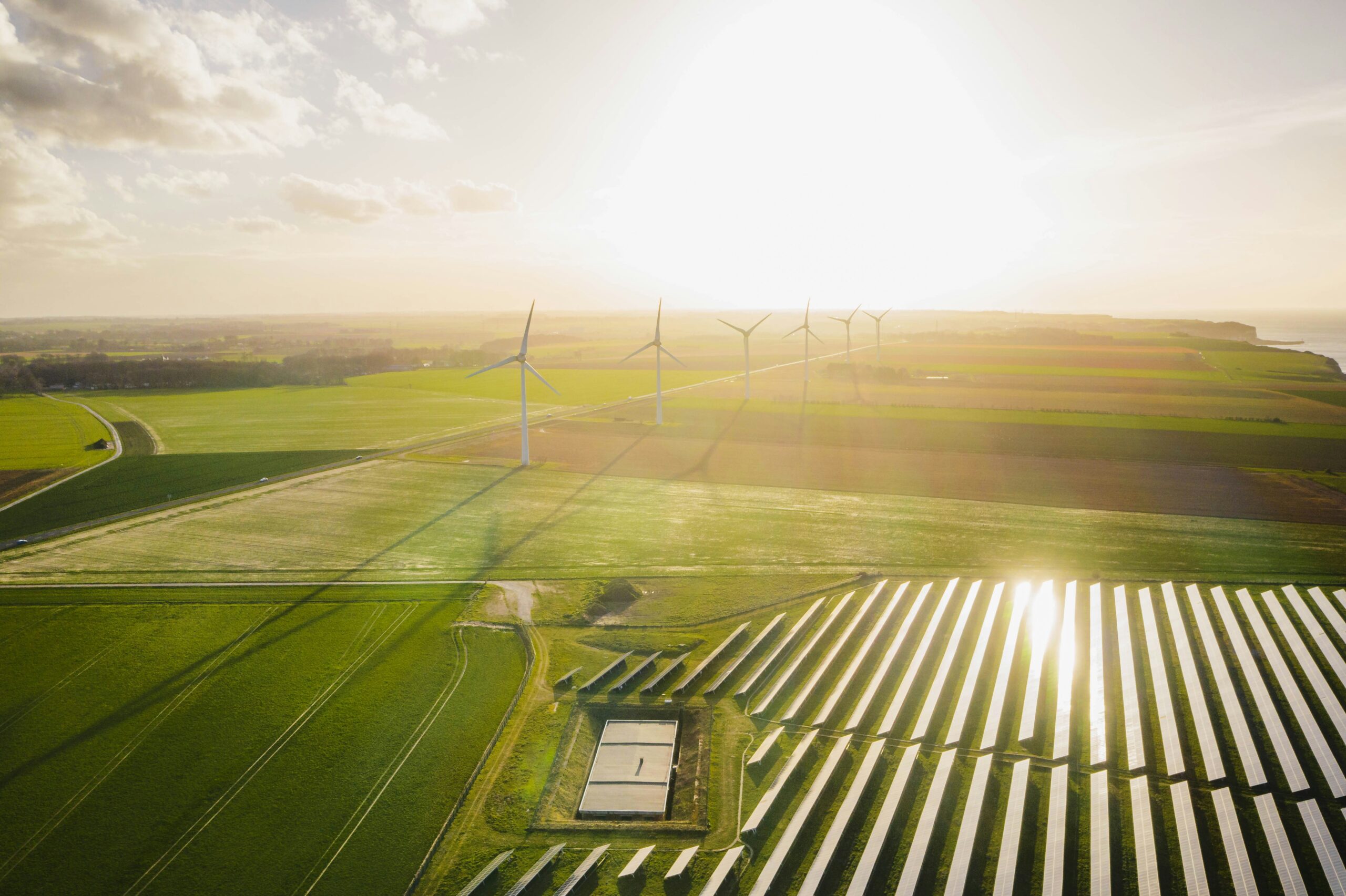
Stamp Out Poverty is part of the movement to end the fossil fuel era by ensuring a just transition away from the production of oil, coal and gas.
Our work has secured support from UK trade unions, mayors, alongside partnerships with organisations including C40 Cities.
Supercharging the Energy Transition

Our groundbreaking work reveals the key drivers of high renewable energy costs in poorer countries, offering solutions to lower the price of climate finance in the Global South.
Solidarity Levies

Our work on Solidarity Levies focuses on tapping public revenue streams from untaxed, or under-taxed, sectors such as finance, shipping, aviation and fossil fuels.
We work closely with the Global Solidarity Levies Task Force led by France, Kenya and Barbados which has opened up political space for the implementation of popular proposals. These range from the taxing of private jets to the excessive profits of the big banks and fossil fuel giants to boost government revenues to pay for climate action.


